
FOR RELIABLE PROCESSES AND BETTER PRODUCTS
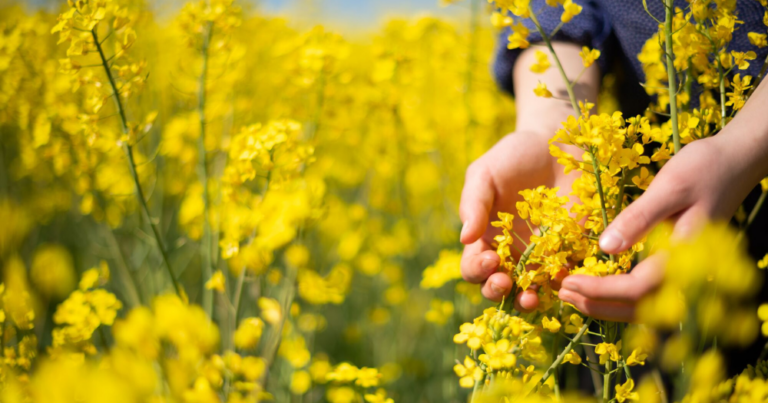
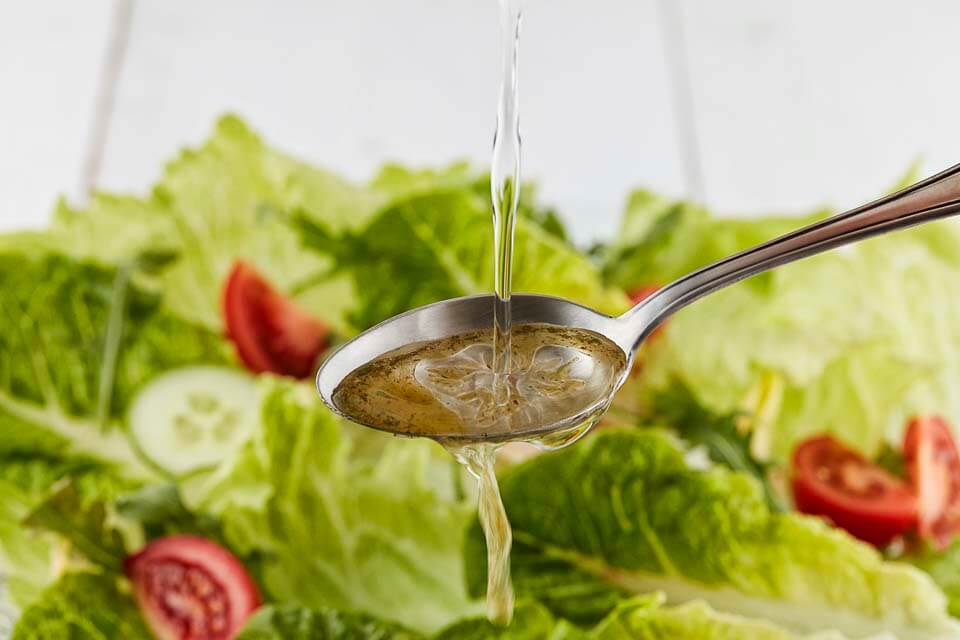
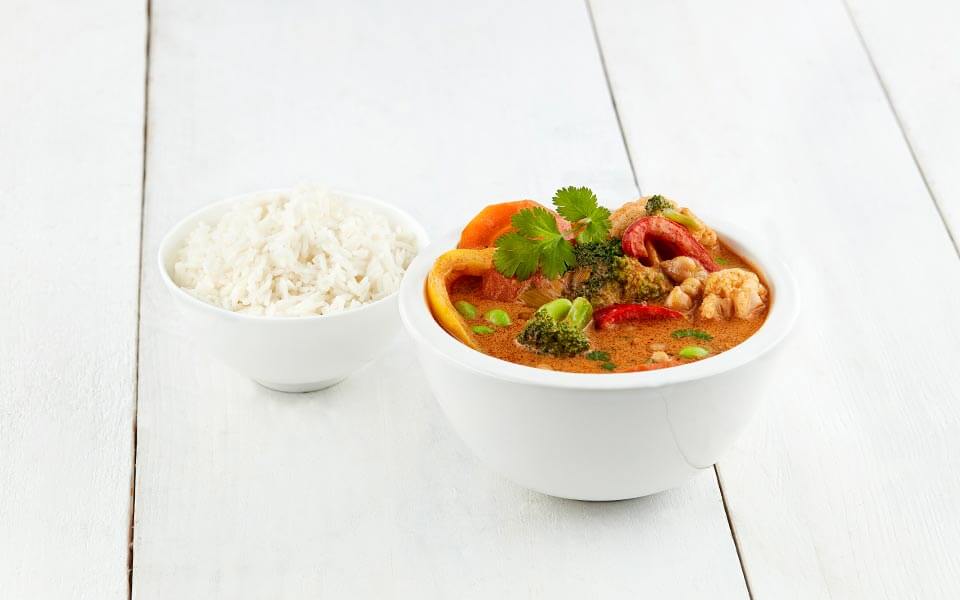
Reliably improving processes and products: lecithins and lipids offer huge potential when it comes to foods and healthy eating. We conduct research in this area and will develop bespoke systems on your behalf – with lecithin and lipid solutions that are optimised for your applications and that meet your needs. Examples include lecithin as an emulsifier or dispersing agent, MCT oil as a release agent and source of energy, and red palm oil as a natural colouring. Harnessing our expertise and the synergies within the Stern-Wywiol Gruppe, we will develop an optimum solution for you from the spectrum of plant-based ingredients.
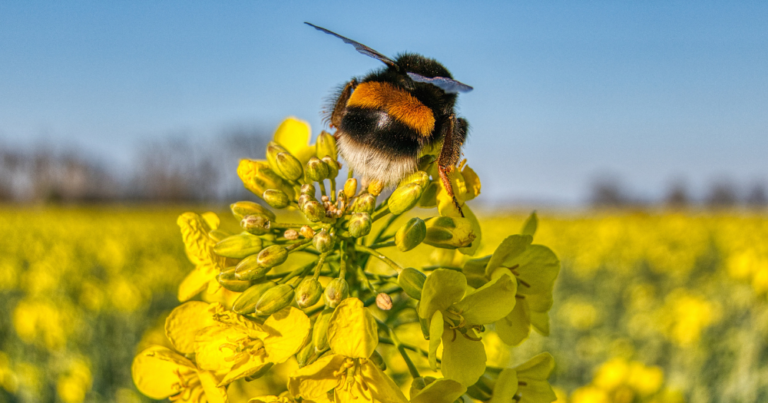

Independent and owner-led: the Stern-Wywiol Gruppe has been one of the world’s leading companies in the areas of food/feed ingredients and lipid technologies for 40 years. You benefit from the combined knowledge of the entire Group, which is divided into twelve subsidiaries. At the broad-based, state-of-the-art Stern Technology Centre, some 150 R&D specialists work to boost the success of our customers.


You are now leaving our website and will be directed to the site of our sister company Berg + Schmidt GmbH & Co. KG. Berg + Schmidt is also a Stern-Wywiol Group company and boasts more than 60 years of experience in the development, production and global distribution of functional lipids in the animal nutrition, oleochemistry and cosmetics segments. Their team will be happy to help.
You are currently viewing a placeholder content from Google Maps. To access the actual content, click the button below. Please note that doing so will share data with third-party providers.
More Information